Program Overview
Resident Education
The residency program at University of Michigan is committed to resident training. This starts from the moment incoming residents arrive in Ann Arbor.
Intern Orientation:
Prior to Day One of clinical responsibility, first-year residents have a seven-day clinical orientation. The aim of the orientation is to introduce incoming residents to the clinical domain of the Obstetrics and Gynecology resident and, most importantly, to minimize anxiety for their first days on service on Labor and Delivery, on Gynecology and in the Operating Rooms. ACLS and NALS courses and certification take place during orientation.
Obstetrics and Gynecology House Officer Orientation Workshops
- Survival Skills: OB and Gyn emergencies
- Labor and Delivery Triage: Introduction and survival tips
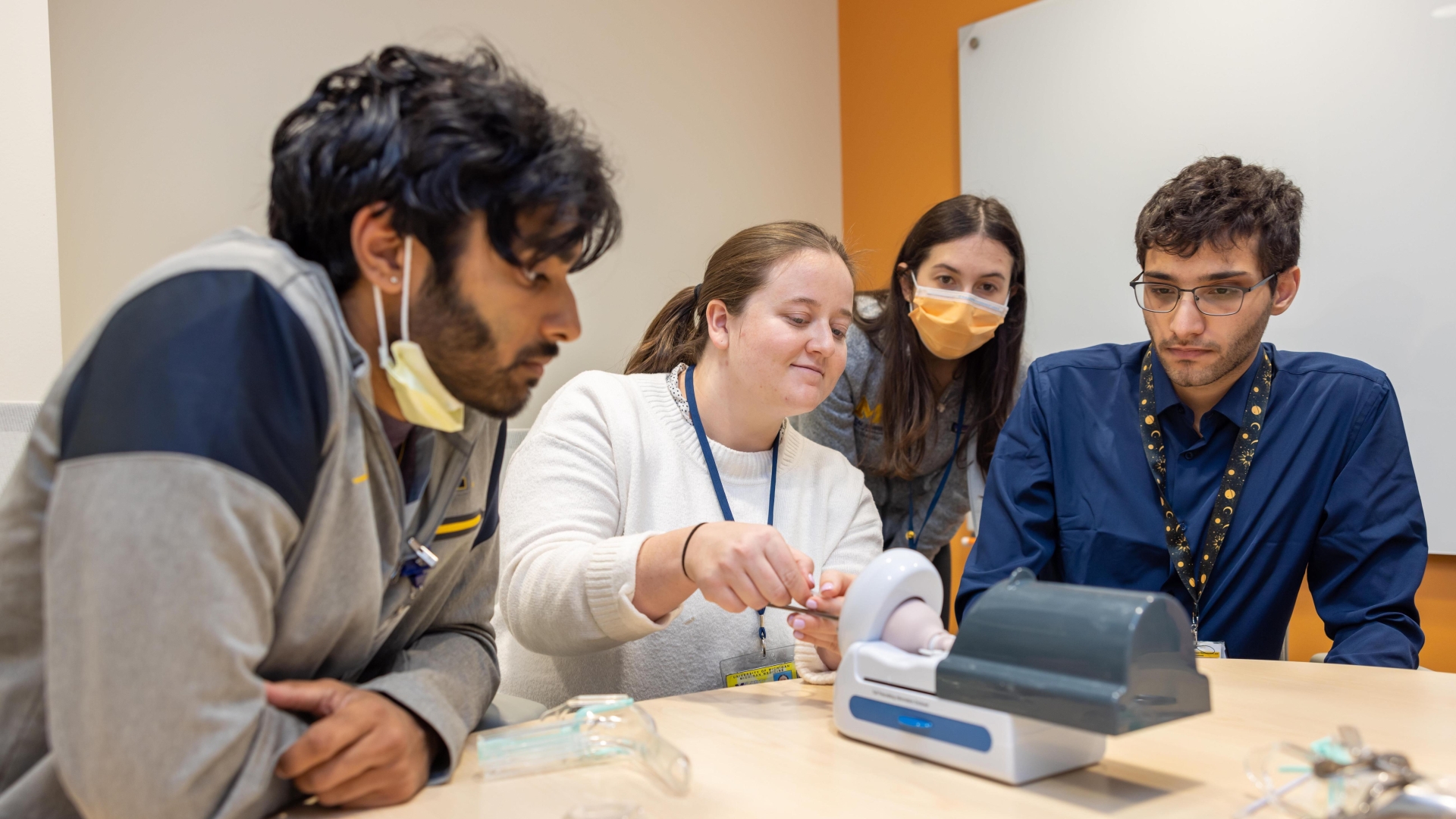
- Suturing Workshop: Instruction in basic surgical and suturing techniques
- Pelvic Anatomy
Core Curriculum:
A weekly core curriculum is provided for house officers. This time is protected. Residents are excused from all clinical responsibilities, and pagers are signed out to covering staff during the two-hour conference on Wednesday afternoons.
Journal Club:
Each month a Journal Club is held at a faculty member's home. Over dinner and refreshments, the residents, fellows and staff discuss current journal articles paying particular attention to study design and statistics.
Continuity Clinics:
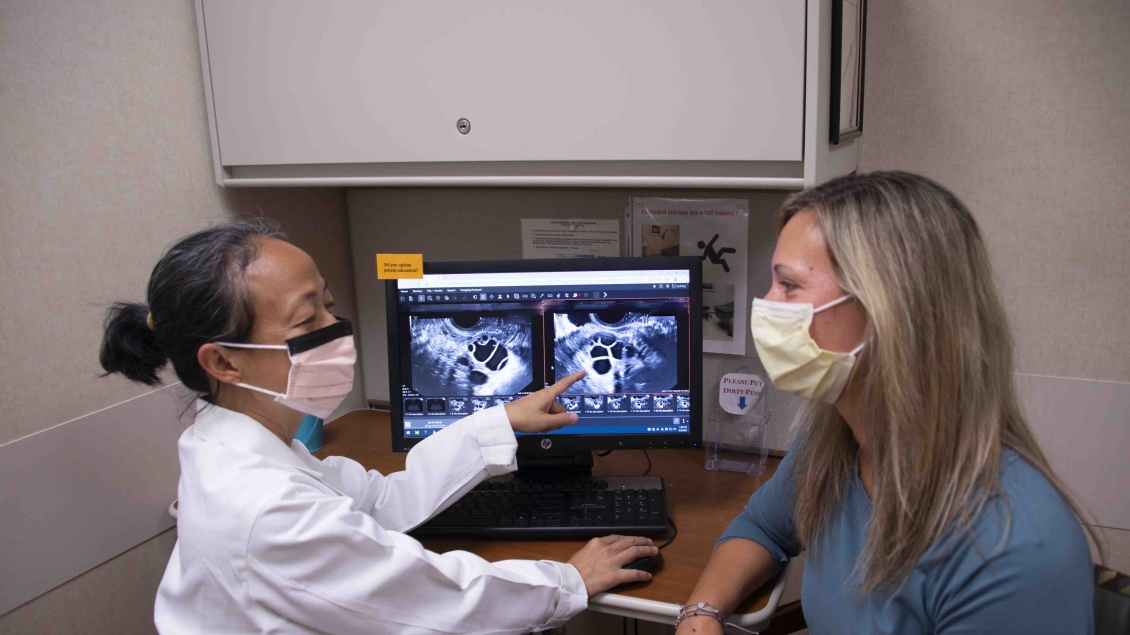
First- and Second-year residents have OB continuity clinics each week. Weekly Gyn continuity clinics begin during the HO2 year and continue through the HO4 chief year. These clinics are staffed at all times by faculty members. In addition, any OR cases generated out of the clinic visits are performed by the patient’s continuity resident.
Resident Life
OB/Gyn residents at University Michigan are a cohesive and supportive group. The program fosters time for family and private life outside of residency as well as a sense of teamwork and enthusiasm amongst the residents.
Call Schedule:
In 1998, the house staff adopted a highly successful night float system for the obstetrics service resident. In response to the ACGME duty hour regulations, a gynecology night float system was implemented in 2003.
PROPOSED SCHEDULE: 2010-2011 Academic Year
| HOI - 6 Residents | ||||||||||||
| Month | 1 | 2 | 3 | 4 | 5 | 6 | 7 | 8 | 9 | 10 | 11 | 12 |
| Rotation | OB Days | OB Nights | GYN Days | GYO | Vacation | PAC/REI |
Urogyn/ GYN Nights |
|||||
| HO II – 6 residents | ||||||||||||
| Month | 1 | 2 | 3 | 4 | 5 | 6 | 7 | 8 | 9 | 10 | 11 | 12 |
| Rotation | OB Days | OB Nights | GYN Days | GYN Nights | Urogyn | GYO | Vacation | Elective | REI | |||
| HO III – 6 residents | ||||||||||||
| Month | 1 | 2 | 3 | 4 | 5 | 6 | 7 | 8 | 9 | 10 | 11 | 12 |
| Rotation | OB Night Chief | GYN Days | GYO chief | SICU | Vacation | Alaska | Urogyn | MIS |
PAC/ GYN Clinic |
|||
| HO IV – 6 residents | ||||||||||||
| Month | 1 | 2 | 3 | 4 | 5 | 6 | 7 | 8 | 9 | 10 | 11 | 12 |
| Rotation | OB Day Chief | GYN Chief | Clinic Chief | Vacation | Urogyn | MIS | REI | GYN Clinic | GYN Elective | |||
PROPOSED SCHEDULE: 2011-2012 Academic Year (PENDING ADUSTMENTS TO 4th YEAR)
| HO I – 6 residents | ||||||||||||
| Month | 1 | 2 | 3 | 4 | 5 | 6 | 7 | 8 | 9 | 10 | 11 | 12 |
| Rotation | OB Days | OB Nights | GYN Days | GYO | Vacation | PAC/REI |
Urogyn/ GYN Nights |
|||||
| HO II – 6 residents | ||||||||||||
| Month | 1 | 2 | 3 | 4 | 5 | 6 | 7 | 8 | 9 | 10 | 11 | 12 |
| Rotation | OB Days | OB Nights | GYN Days | GYN Nights | Family Medicine | GYO | Vacation | Elective | REI | |||
| HO III – 6 residents | ||||||||||||
| Month | 1 | 2 | 3 | 4 | 5 | 6 | 7 | 8 | 9 | 10 | 11 | 12 |
| Rotation | OB Night Chief | GYN Days | GYO Chief | Alaska | Vacation | SICU | Urogyn | MIS |
PAC/ GYN Clinic |
|||
| HO IV – 6 residents | ||||||||||||
| Month | 1 | 2 | 3 | 4 | 5 | 6 | 7 | 8 | 9 | 10 | 11 | 12 |
| Rotation | OB Day Chief | GYN Chief | Clinic Chief | Vacation | Urogyn | MIS | REI | GYN Clinic | GYN Elective | |||
Work Hours:
The program is fully supportive of and compliant with the ACGME duty hour regulations. We believe that we can provide a quality educational experience within this framework that emphasizes time for adequate rest and out-of-hospital activities. We do not intend to apply for the 10% exemption.
Vacation:
All residents have four weeks of vacation.
Salary & Benefits:
House Officer Salary and Benefits |
|||
|
Year
|
2011 Salary ($) 7/01/2011 |
2012 Salary ($) 7/01/2012 |
2013 Salary ($) 7/01/2013 |
|
HO I |
$49, 150 |
$50,526 |
$51,840 |
| Lump ($) 11/30/2011 |
$3,440 |
$3,537 |
$3,629 |
|
HO II |
$51,778 |
$53,228 |
$54, 612 |
|
Lump ($) 11/30/2012 |
$4,764 |
$3,726 |
$3,823 |
|
HO III |
$54,448 |
$55,972 |
$57,428 |
|
Lump ($) 11/30/2013 |
$5,009 |
$4,758 |
$4,020 |
|
HO IV |
$57,218 |
$58,820 |
$60,349 |
|
Lump ($) 11/30/2013 |
$5,264 |
$5,176 |
$4,707 |
The salary component includes a contract and a promotional increase. The benefits include the payment to encourage savings (lump), and Health insurance. The contractual salary and lump sum schedules can be found in the tables depicted above. The Health Insurance plan will remain in effect for duration of this contract.
House Officers are eligible for the following benefits:
Prescription Drug Plan
Dental Plan
University, Optional, and Dependent Life Insurance
Long-Term Care Insurance
Legal Plan
Vision Plan
Flexible Spending Accounts
Travel Accident Insurance and Secure Travel Plan
Supplemental Retirement Account (SRA) (House Officers are eligible to enroll in an SRA at any time but are not eligible for the Basic Retirement Plan.)
House Officers Association Long-Term Disability Plan (LTD is provided through the HOA at no cost to you.
Call the House Officers Association at 734-936-9205 for info about this plan.
Resident Retreat:
Each year the residents partake in an retreat. This is an opportunity for residents to spend time together away from the hospital, discuss ideas on how to continue to improve and strengthen the training program, and most importantly, to have fun!